
Why Palox Crates Are the Storage Pallet Solution That Manufacturers Prefer for Industrial Use
In the fast-paced world of industrial manufacturing and logistics, storage solutions must deliver reliability, versatility and value. Among the myriad options available, palox crates have emerged as a preferred choice for manufacturers seeking robust, adaptable storage systems. These containers, often referred to as pallet boxes or industrial bins, combine the strength of traditional pallets with the protective capacity of a full enclosure, making them indispensable across a wide range of sectors. From automotive production lines to food processing facilities, palox crates provide a secure, efficient method for handling, storing and transporting goods that withstand the rigours of daily industrial use while meeting stringent hygiene and safety standards.
Understanding palox crates: materials and construction excellence
The choice of material in palox crate construction is a critical factor that determines suitability for specific applications. Understanding the options available empowers manufacturers to select the most appropriate solution for their operational needs.
Exploring material options: wood, plastic, hdpe, and metal variants
Wooden pallets and palox crates have long been a staple in industrial storage, offering a natural, biodegradable option that is both sturdy and economical. Timber varieties comply with ISPM15 regulations for export packaging, ensuring international shipping requirements are met. However, wooden structures can be susceptible to moisture, splintering and contamination, making them less ideal for environments demanding stringent hygiene standards.
Plastic pallets represent a modern alternative, crafted from high-density polyethylene or polypropylene. These materials deliver exceptional impact resistance and durability, standing up to rough handling and extreme temperatures ranging from minus thirty to plus sixty degrees Celsius. The scratch-resistant surface of plastic pallets ensures longevity, while their non-porous nature prevents bacterial growth, a crucial consideration for food grade pallets and pharmaceutical storage applications. Companies such as Go Plastic Pallets and Associated Pallets specialise in offering a comprehensive range of recycled plastic products, reflecting a commitment to sustainable materials and pallet recycling initiatives.
Metal variants, though less common, provide unmatched strength for heavy-duty applications where maximum load capacity is paramount. Meanwhile, innovative materials like presswood pallets and cardboard pallets offer lightweight, cost-effective storage solutions suitable for single-use or short-term logistics. Each material brings distinct advantages, allowing manufacturers to tailor their storage infrastructure to operational demands.
Design features that matter: vented, foldable, and robust construction
The design elements of palox crates extend beyond mere material selection, incorporating features that enhance functionality and efficiency. Vented walls facilitate airflow, making these containers ideal for perishable goods requiring ventilation during transport and storage. Such designs are particularly valued in the food and pharmaceutical sectors, where maintaining product integrity is non-negotiable.
Collapsible pallets and collapsible containers represent a breakthrough in space-saving technology. When not in use, these units fold flat, reducing storage footprint and transportation costs significantly. This stackable design is complemented by the inherent strength of modern plastic pallet boxes, which can be stacked securely without compromising structural integrity. The combination of foldable construction and robust engineering makes these solutions highly adaptable to fluctuating inventory levels and seasonal demand.
Additional design considerations include reinforced upstands, which provide extra stability during stacking, and integrated feet that facilitate forklift compatible handling. The walls and base of quality palox crates are engineered to resist impact and prevent spillage, offering spill control capabilities that protect valuable goods and maintain warehouse cleanliness. Such thoughtful construction details underscore why manufacturers consistently choose palox crates for their industrial storage needs.
Practical applications across manufacturing and storage operations
The versatility of palox crates extends across a diverse array of industries and operational contexts, making them an essential component of modern supply chain solutions.
Versatile Storage Solutions for Products, Equipment, and Raw Materials
Manufacturers in the automotive sector rely on palox crates to organise components, tools and spare parts with precision. The ability to securely store small, high-value items in a protective enclosure reduces loss and damage, while the stackable nature of these units maximises vertical space in crowded production facilities. Similarly, the retail industry benefits from the use of roll cages and pallet boxes to streamline inventory management, ensuring that products move efficiently from warehouse storage to shop floor displays.
Food processing and pharmaceutical companies face unique challenges, as they must maintain the highest hygiene standards while managing bulk quantities of raw materials and finished goods. HDPE pallets and food grade pallets meet these exacting requirements, offering surfaces that are easy to clean and resistant to contamination. The reusable packaging afforded by plastic pallets also aligns with sustainability goals, reducing waste and supporting circular economy principles.
Beyond traditional manufacturing, palox crates serve essential roles in agriculture, horticulture and chemical industries, where the need to transport and store diverse materials safely and efficiently is paramount. Whether handling bulk bags of grain, containers of chemicals or delicate produce, these storage solutions adapt seamlessly to varied operational contexts.
Transport efficiency: skid compatibility and trolley integration
The ease with which palox crates integrate into existing material handling systems is a key factor in their popularity. Forklift compatible designs ensure that these units can be moved swiftly across warehouse floors, loading bays and shipping docks. The inclusion of skid bases or integrated feet allows for smooth transfer between different types of equipment, from manual trolleys to automated guided vehicles.
Shipping solutions are further enhanced by the compatibility of palox crates with standard pallet dimensions, facilitating seamless integration into established logistics equipment networks. This interoperability reduces handling time and minimises the risk of damage during transit, contributing to overall supply chain efficiency. Companies such as Reco Handling, based at Whitehill Industrial Estate in Stockport, offer repair services and sales of roll cages and plastic pallet boxes, ensuring that businesses maintain their material handling assets in optimal condition.
The ability to collapse and nest palox crates when empty is another transport advantage, reducing return freight costs and optimising vehicle capacity. This feature is especially valuable for businesses operating across multiple sites or engaging in frequent cross-country or international shipments.
Quality Standards and Food-Grade Compliance in Palox Crate Selection
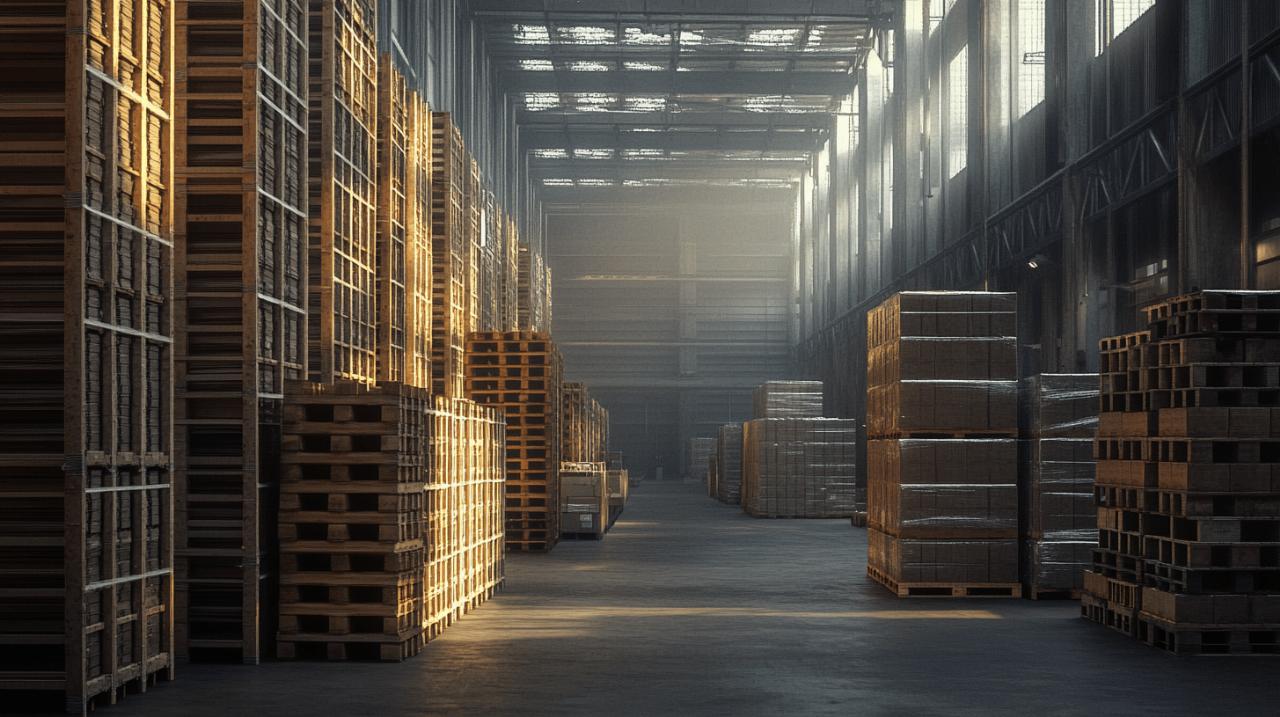 Ensuring that palox crates meet industry-specific quality standards is essential for manufacturers who prioritise safety, regulatory compliance and product integrity.
Meeting industry standards: food-grade and hygiene requirements
In sectors such as food production and pharmaceutical manufacturing, hygiene standards are non-negotiable. Food grade pallets are manufactured from virgin or certified recycled plastic that complies with European and UK regulations governing materials in contact with consumables. These pallets and boxes are free from harmful chemicals, easy to sanitise and resistant to moisture and bacterial growth. The smooth, non-porous surfaces of HDPE pallets facilitate thorough cleaning, reducing the risk of cross-contamination and ensuring that products remain safe for end consumers.
Compliance with ISPM15 regulations is another critical consideration, particularly for businesses engaged in export packaging. Wooden pallets used for international shipments must undergo heat treatment or fumigation to eliminate pests and pathogens. Plastic alternatives, however, are exempt from these requirements, offering a hassle-free solution for global logistics operations.
Temperature resistant properties also play a vital role in maintaining product quality. Palox crates capable of withstanding extreme cold and heat ensure that goods remain stable during storage and transport, whether in refrigerated warehouses or outdoor environments. This resilience is particularly important for perishable items and sensitive pharmaceuticals.
Structural components: upstands, walls, feet, and long-term durability
The structural integrity of palox crates is determined by the quality of their components. Upstands provide additional height and stability, allowing for secure stacking and preventing shifting during transport. Reinforced walls offer impact resistance, protecting contents from damage in high-traffic environments. Integrated feet or skid bases distribute weight evenly, reducing strain on the container and ensuring longevity even under repeated use.
Long-term durability is a hallmark of quality palox crates, with many units designed for reuse over several years. Recyclable and eco-friendly pallets can be returned to manufacturers for reconditioning or material recovery, supporting sustainable materials initiatives and reducing environmental impact. Companies such as Associated Pallets, reachable at 03301757766, offer plastic pallet recycling services, enabling businesses to dispose of old units responsibly while contributing to a circular economy.
The combination of robust construction and thoughtful design details ensures that palox crates remain a cost-effective storage solution over their lifespan, delivering exceptional return on investment for manufacturers.
Investment considerations: pricing, models, and obtaining quotes
Selecting the right palox crate involves balancing performance requirements with budgetary constraints, making it essential to understand the factors influencing pricing and the options available in the market.
Comparing Models and Specifications: Palettes, Tubs, and Customisation Options
The market offers a wide range of palox crate models, from standard palettes and tubs to bespoke packaging solutions tailored to specific operational needs. Standard models are designed to accommodate common load sizes and industry requirements, providing a reliable, off-the-shelf option for most manufacturers. These units are available in various dimensions, capacities and configurations, including vented, solid-walled and collapsible variants.
For businesses with unique requirements, bespoke packaging solutions offer the flexibility to specify custom dimensions, materials and features. Whether the need is for increased load capacity, specialised ventilation or integration with existing material handling systems, customisation ensures that the storage solution aligns perfectly with operational demands. UK suppliers, including those based in Southampton and Stockport, provide expert guidance to help businesses navigate the options and select the most suitable models.
Pallet accessories, such as lids, dividers and corner protectors, further enhance functionality and protect contents during storage and transport. These add-ons can be integrated into standard models or specified as part of a custom design, offering a modular approach to industrial storage.
Navigating pricing structures and securing competitive quotations
Pricing for palox crates varies depending on material, size, design complexity and order volume. Plastic pallets and pallet boxes typically command a higher initial investment compared to wooden or cardboard alternatives, but their durability and reusability often result in lower total cost of ownership over time. The cost-effective storage benefits are further amplified by reduced damage rates, lower maintenance requirements and the potential for recycling at end of life.
To secure competitive pricing, manufacturers are encouraged to request quotations from multiple UK suppliers. Companies such as Associated Pallets, operating from Eling Wharf in Totton, Southampton, offer a range of new and used wooden pallets and plastic pallets, along with special offers and the ability to request a quote online or by calling 03301757766. Opening hours are Monday to Thursday from 7.30am to 4.30pm and Friday from 7.30am to 3.45pm, ensuring convenient access to expert advice and product information.
When comparing quotations, it is important to consider not only the unit price but also factors such as delivery costs, lead times, warranty terms and after-sales support. Some suppliers offer free shipping to mainland UK, while others provide repair services and recycling programmes that add value beyond the initial purchase. Engaging with suppliers who demonstrate expertise in material handling and warehouse storage ensures that the investment in palox crates delivers maximum operational benefit and long-term value.